NEWS CENTER


Precautions when installing pneumatic valves

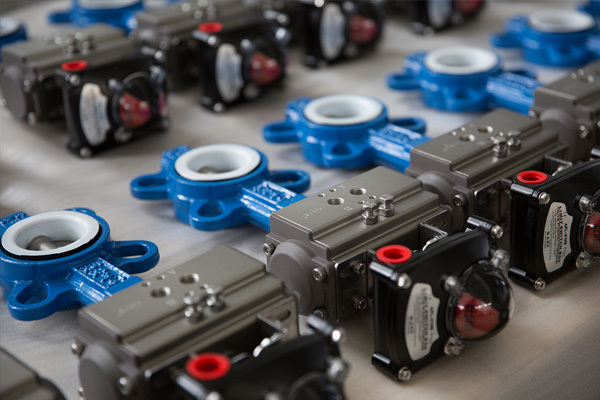
Wuxi Xinming Automatic Control Valve Co., Ltd. produces various pneumatic valves, including but not limited to pneumatic butterfly valves, pneumatic ball valves, pneumatic control valves and other products. Pneumatic valve has its unique advantages in any aspect. Since the driving force is pneumatic, the response speed is particularly fast. So what problems should be paid attention to when installing a newly purchased pneumatic valve? Installation is a prerequisite for use, and the installation process is handled correctly, so there will not be too many problems during use. 1. Confirm that there is no foreign matter in the clean pipe. If there is foreign matter, it may damage the sealing surface of the valve, or even hinder the function of the valve core, and make the valve unable to close normally. Therefore, all pipes must be cleaned before installing the valve to confirm that there are no foreign materials. 2. Check the pneumatic valve. Before installation, check and remove all transportation blocks, protective plugs or gasket surface covers, and check the inside of the valve body to ensure that there are no foreign objects. 3. Most pneumatic valves can be installed in any position, but the most common method is to place the actuator vertically on the upper part of the valve. If the actuator must be mounted horizontally, consider adding a vertical support to the actuator. Make sure that the direction of fluid flow matches the direction indicated by the flow arrow or instruction manual. In addition, it is necessary to ensure that there is enough space above and below the pneumatic valve for inspection and maintenance. For valve bodies with flanges, make sure that the flange surfaces are accurately aligned to allow even contact of the gasket surfaces and prevent leakage. The installation technology and operation process are mainly based on the manual and the technical points of pneumatic valve installation.

14

2020

/

07

Common Faults and Troubleshooting Methods of Pneumatic Butterfly Valve

Wuxi Xinming Automatic Control Valve Co., Ltd. produces various pneumatic valves, including but not limited to pneumatic butterfly valves, pneumatic ball valves, pneumatic control valves and other products. Testing and adjustment of pneumatic butterfly valves for water treatment equipment 1. All parts of the butterfly valve, whether manual, pneumatic, hydraulic or electric, have been strictly debugged before leaving the factory. When re-checking the sealing performance, the user should evenly fix both sides of the inlet and outlet, close the butterfly valve, and apply pressure to the inlet side. Observe the outlet side for leaks. Before testing the pipe for strength, the disc should be opened to prevent damage to the seal pair. 2. Although the pneumatic butterfly valve has been strictly inspected and tested before leaving the factory, some products will automatically change the position of the screw during transportation, and need to readjust the pneumatic, hydraulic, etc., please refer to the instruction manual of the supporting drive equipment. 3. The opening and closing stroke of the control mechanism has been adjusted when the electric butterfly valve leaves the factory. In order to prevent the wrong direction when turning on the power, after the user turns on the power for the first time, please open the manual to the half-open position, and then press the electric switch to check whether the direction of the power is correct. The indicator plate is in line with the closing direction of the valve. Common faults and troubleshooting methods of pneumatic butterfly valves in water treatment equipment 1. Before installation, please confirm whether the performance of our products and the flow arrow of the medium are consistent with the working conditions, and the inner cavity of the valve should be inserted and cleaned. Before cleaning, do not allow foreign matter to adhere to the seal ring and butterfly plate. Close the butterfly plate to avoid damaging the sealing ring. 2. For butterfly valves, it is recommended to use special flanges, namely HGJ54-91 socket welded steel flanges for disc installation. 3. The installation position in the pipeline is vertical installation, not up and down installation. 4. The flow needs to be adjusted during use and controlled by the worm gear box. 5. For the butterfly valve with a large number of opening and closing times, please open the worm gear box cover within two months to check whether the butter is normal. Reserve on the right amount of butter. 6. Check the tightness of each connection part to ensure the tightness of the packing and the flexible rotation of the valve stem. 7. Metal sealing butterfly valve products are not suitable for installation at the end of the pipeline. If it must be installed at the end of the pipe, the outlet flange must be installed to prevent the sealing ring from overstocking or overpositioning. 8. The installation and use response of the valve stem Regularly check the use effect of the valve, and troubleshoot in time.

14

2020

/

07

Xinming automatic valve industry teaches you how to choose the valve

无锡市鑫明自动控制阀实业有限公司专业生产各种气动阀配件:气动蝶阀,气动球阀,气动控制阀等,已深入行业十三年。对于阀门的选择,鑫明自动化给出以下专业建议:在选择阀门时,运行,排放,滴漏和泄漏通常与管道配件和阀门有关:1.必须为减压阀,平衡阀增加旁路,等等。;2.球阀和闸阀适用于全开和全关;3.尽可能少使用截止阀;4.计算阀门的阻力时要小心;必须选择电动阀。根据介质的开关性质选择阀门。蝶阀的蝶板安装在管道的直径方向上。在蝶形阀体的圆柱形通道中,圆盘形蝶形板绕轴线旋转,旋转角度在0°和90°之间。当旋转达到90°时,阀门完全打开。蝶阀结构简单,体积小,重量轻,仅由几个部分组成。此外,它可以通过旋转90°快速打开和关闭,并且操作简单。同时,该阀具有出色的流体控制特性。当蝶阀处于完全打开位置时,蝶板的厚度就是介质流经阀体时的阻力,因此通过阀产生的压降很小,因此具有更好的流量控制特性。蝶阀有两种密封类型:弹性密封和金属密封。弹性密封阀,密封环可以嵌入阀体内或附着在蝶板的外围。具有金属密封的阀门通常比具有弹性密封的阀门具有更长的使用寿命,但是很难实现完全密封。现在开发的三重偏头痛蝶阀可以实现气泡级密封。三重偏头痛蝶阀分为复合层密封和全金属密封。后者具有较高的技术含量和较高的加工成本,但密封件的可靠性和使用寿命要长得多。在配合层中,蝶阀是三面的。金属密封件可以适应更高的工作温度,而弹性密封件具有受温度限制的缺点。如果需要将蝶阀用作流量控制,则第一件事是正确选择阀的尺寸和类型。蝶阀的结构原理特别适用于大口径阀门的制造。蝶阀不仅广泛用于石油,天然气,化工和水处理等一般行业,而且还用于火力发电厂的冷却水系统。常用的蝶阀包括晶片蝶阀和法兰蝶阀。圆片蝶阀通过双头螺栓连接在两个管道法兰之间。法兰蝶阀在阀上配有法兰。阀门两端的法兰通过螺栓连接到管道法兰。阀门的强度功能是指阀门承受介质压力的能力。该阀是一种承受内部压力的机械产品,因此必须具有令人满意的强度和刚度,以确保长期使用而不会破裂或变形。球阀由旋塞阀演变而来。通过旋转90度,它具有相同的提升作用,但是不同之处在于,旋塞体是一个具有圆形通孔或通道的球体,该通孔或通道通过其轴线。球面和通道开口的份额应使球旋转90度时,球应在入口和出口处显示球面,然后阻止活动。仅需旋转90度和小滚动扭矩,即可将球阀紧密关闭。阀门完全相等的内腔提供了一条直的流道,对介质的阻力很小。通常认为球阀最适合直接打开和关闭应用,但是最近的发展已经设计了球阀以节省和控制流量。球阀的主要特点是结构紧凑,易于操作和维修,适用于水,溶剂,酸和天然气等一般操作介质,也适用于苛刻的操作条件(例如氧气,过氧化氢),甲烷和乙烯。球阀阀体可以集成或组合。截止阀的阀杆轴线与阀座的密封面成一直线。阀杆具有相对较短的打开或关闭行程,并且具有非常可靠的阻塞作用,这使得该阀非常适合介质阻塞或排料

14

2020

/

07

< 1...789...14 >